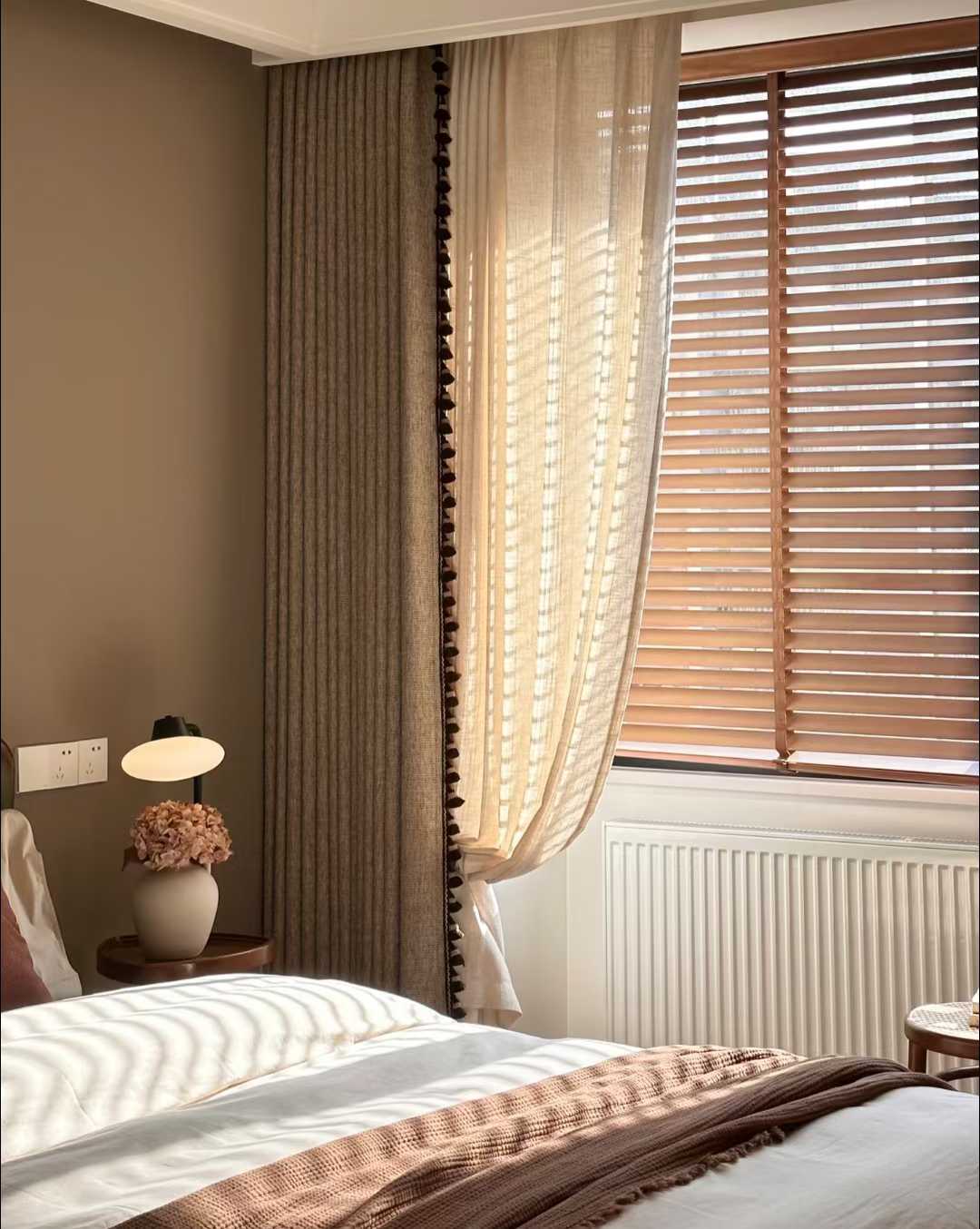
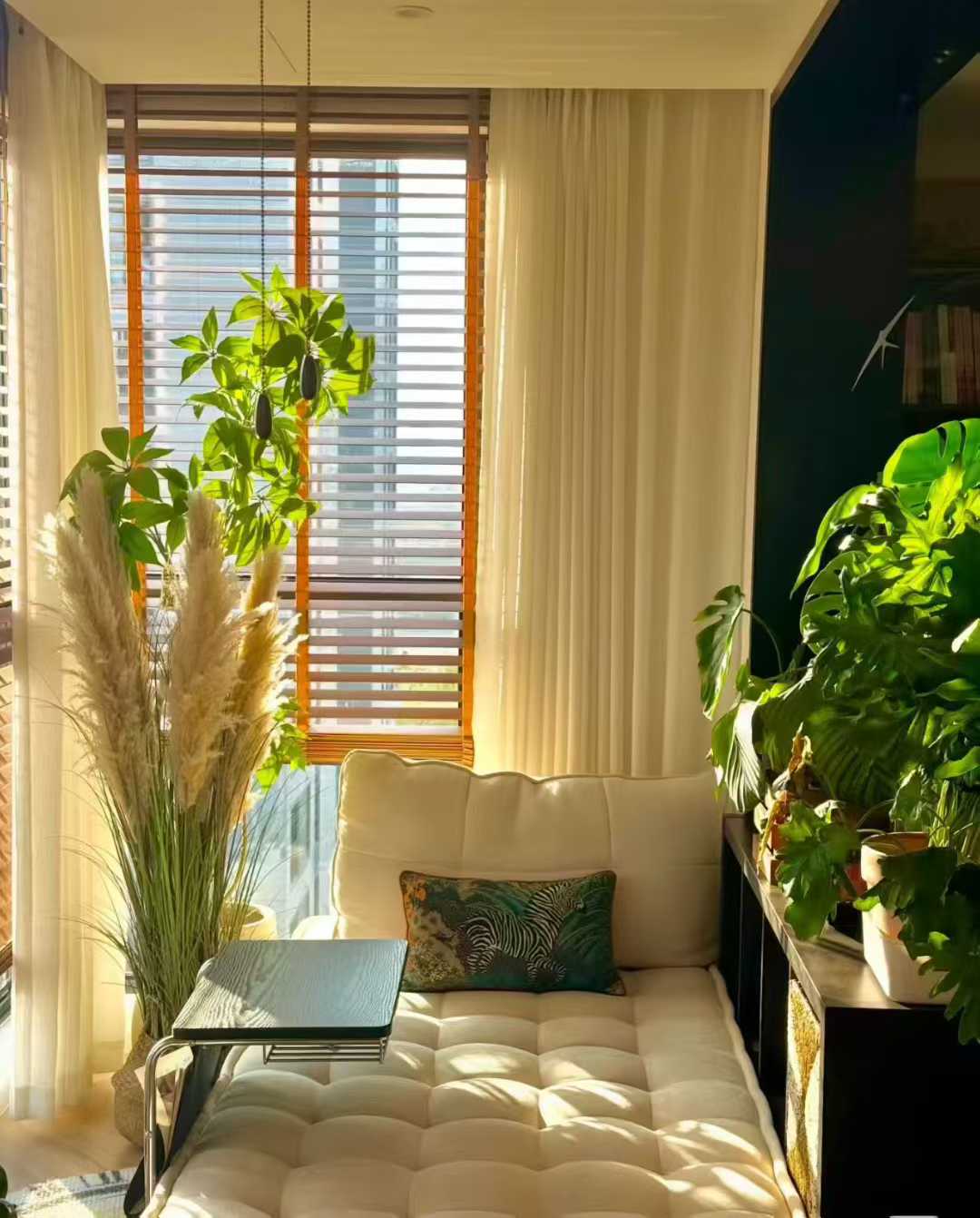
In 2026, the interior shading industry is undergoing a systematic upgrade from traditional light-blocking tools to an integration of intelligence, energy efficiency, and aesthetics. Driven by technological iteration, material innovation, market demand, and policy incentives, six mainstream categories—aluminum venetian blinds, dream blinds, day-and-night blinds, Shangri-La blinds, Roman shades, and soft gauze blinds—have demonstrated a clear development trajectory and a new market landscape. The latest industry trends are comprehensively reviewed below from four dimensions: technological innovation, product upgrading, market trends, and application scenarios.
I. Technological Innovation: Intelligence and Energy Efficiency as Core Drivers
(I) Full Penetration of Intelligence: From Single Products to Ecological Interconnection
By 2026, motorization has become a standard feature of interior shading products, no longer exclusive to high-end segments, with a market penetration rate exceeding 31%. Key technological breakthroughs focus on three major directions:
- Upgraded Silent Drive TechnologyBrushless ultra-quiet motors have been widely adopted, with operating noise reduced to below 20 decibels and improved torque density, easily driving extra-wide and heavy-duty blinds. Tsinghua-originated brushless motors and concealed designs have become standard in high-end products, supporting full ecosystems including Mi Home, Huawei, and Apple. Remote control and light/temperature sensing linkage have become basic functions.
- Popularization of Wireless and Wiring-Free SolutionsIn response to renovation demand for existing housing, wiring-free battery-powered and photovoltaic-powered models are growing rapidly. One out of every four online-purchased smart blinds is used for retrofitting old homes, with after-market demand surpassing pre-installation in new homes for the first time. Battery life has been extended to 6–12 months, requiring no wall modification and enabling plug-and-play installation.
- Matter Protocol Breaks Ecological BarriersSmart shading products supporting the open Matter protocol can seamlessly connect to platforms such as Apple Home, Google Home, and Alexa, realizing cross-brand and cross-device interconnection. For example, blinds can coordinate with smart lighting and air conditioning to adjust automatically based on light and temperature. Redundant edge-node design ensures normal operation even when disconnected from the network.
- Integration of AI and Sensing TechnologiesIntegration of multiple sensors (light, temperature/humidity, millimeter-wave radar) has become mainstream, enabling contactless control such as “blinds open when people arrive, close when people leave”, accurately detecting human presence while protecting privacy. AI scene-adaptive adjustment automatically optimizes shading strategies based on time, season, and user habits, improving energy management efficiency by 23%.
(II) Breakthroughs in Energy-Saving Technologies Driven by Dual-Carbon Policy
Boosted by the “Dual-Carbon” strategy and the General Code for Building Energy Efficiency and Renewable Energy Utilization, thermal insulation, noise reduction, and energy conservation have become core product competitiveness:
- Structural Innovation Enhances Thermal InsulationDay-and-night honeycomb blinds have been upgraded to double-layer honeycomb + full light-blocking materials with a 3.8cm thick cavity design, achieving a measured energy-saving rate of over 34%. Dual motors independently control the light-transmitting and light-blocking layers, providing soft light during the day and full blackout at night, reducing air conditioning energy consumption by more than 30%.
- Application of Functional MaterialsLow-VOC, recyclable polyester fibers, and UV-resistant fabrics have become standard. Some products use phase change materials (PCM) for thermal buffering, further improving insulation. Aluminum venetian blinds are equipped with a new nano-insulation coating that reflects over 90% of infrared rays, suitable for west-facing balconies and high-temperature environments.
- Pilot Application of Photovoltaic IntegrationSelected high-end products are equipped with photovoltaic thin films and supercapacitors for self-sufficient energy, enabling automatic adjustment without external power, representing a revolutionary application in sunrooms and outdoor scenarios